
Unlocking Opportunities: How Indian Entrepreneurs Can Successfully Expand into the German Market

Introduction
Expanding into a new market is both an exciting and challenging journey for entrepreneurs. For Indian businesses, Germany represents a strategic gateway to Europe—renowned for its innovation, industrial strength, and robust SME ecosystem.
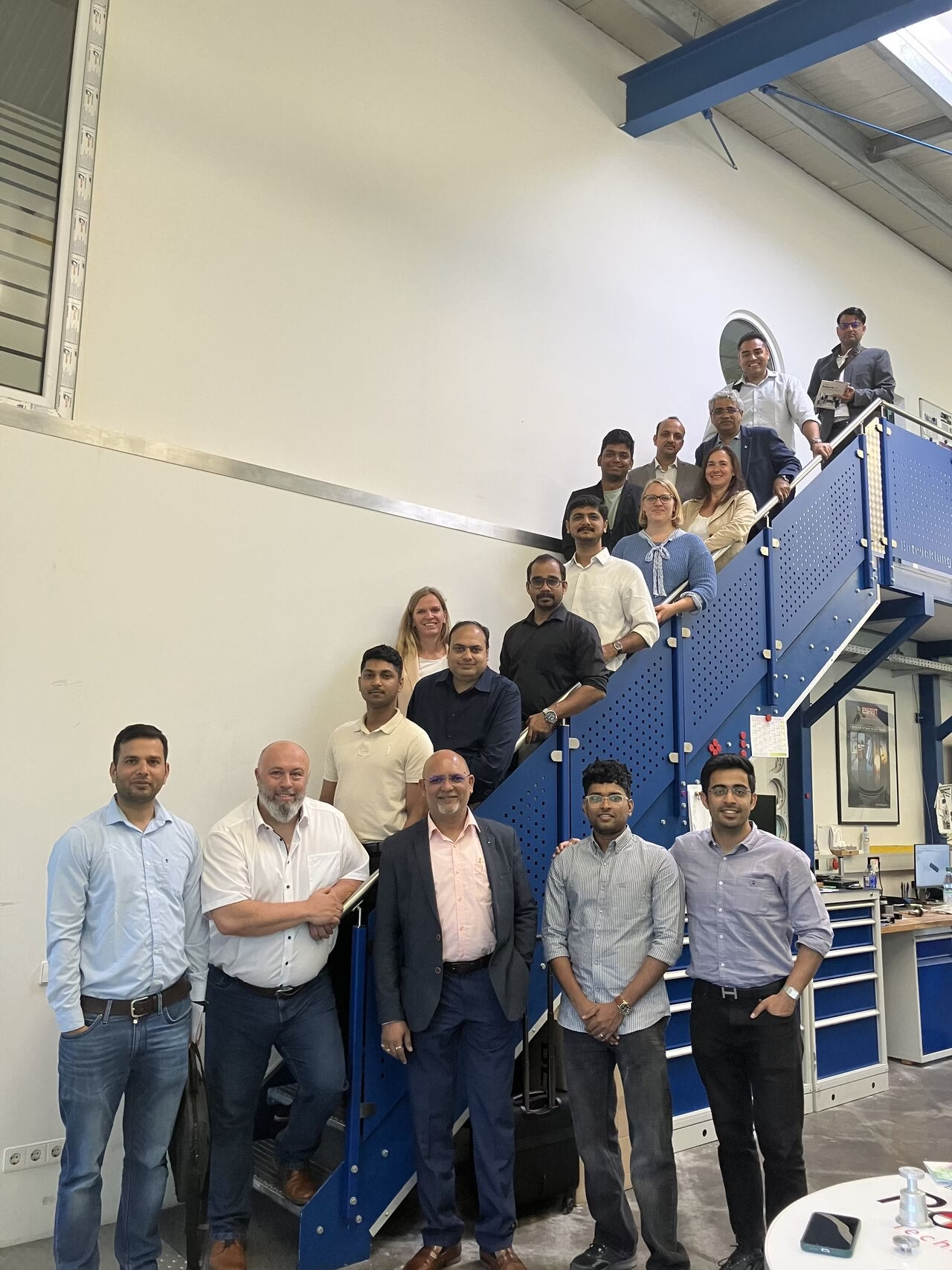
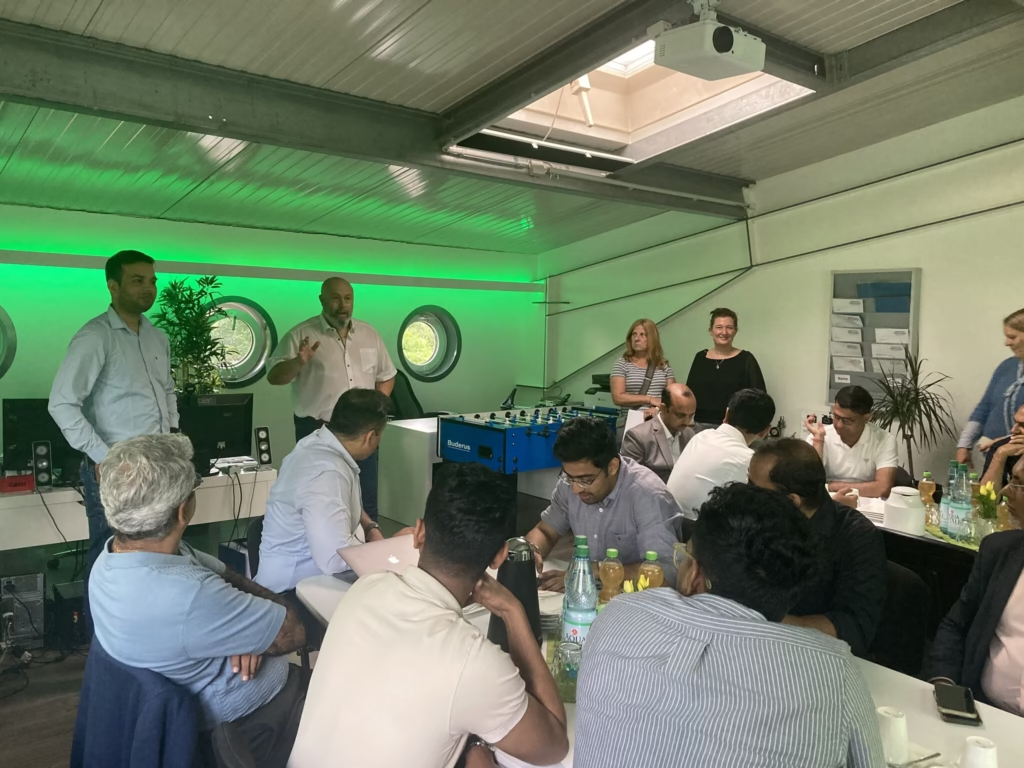
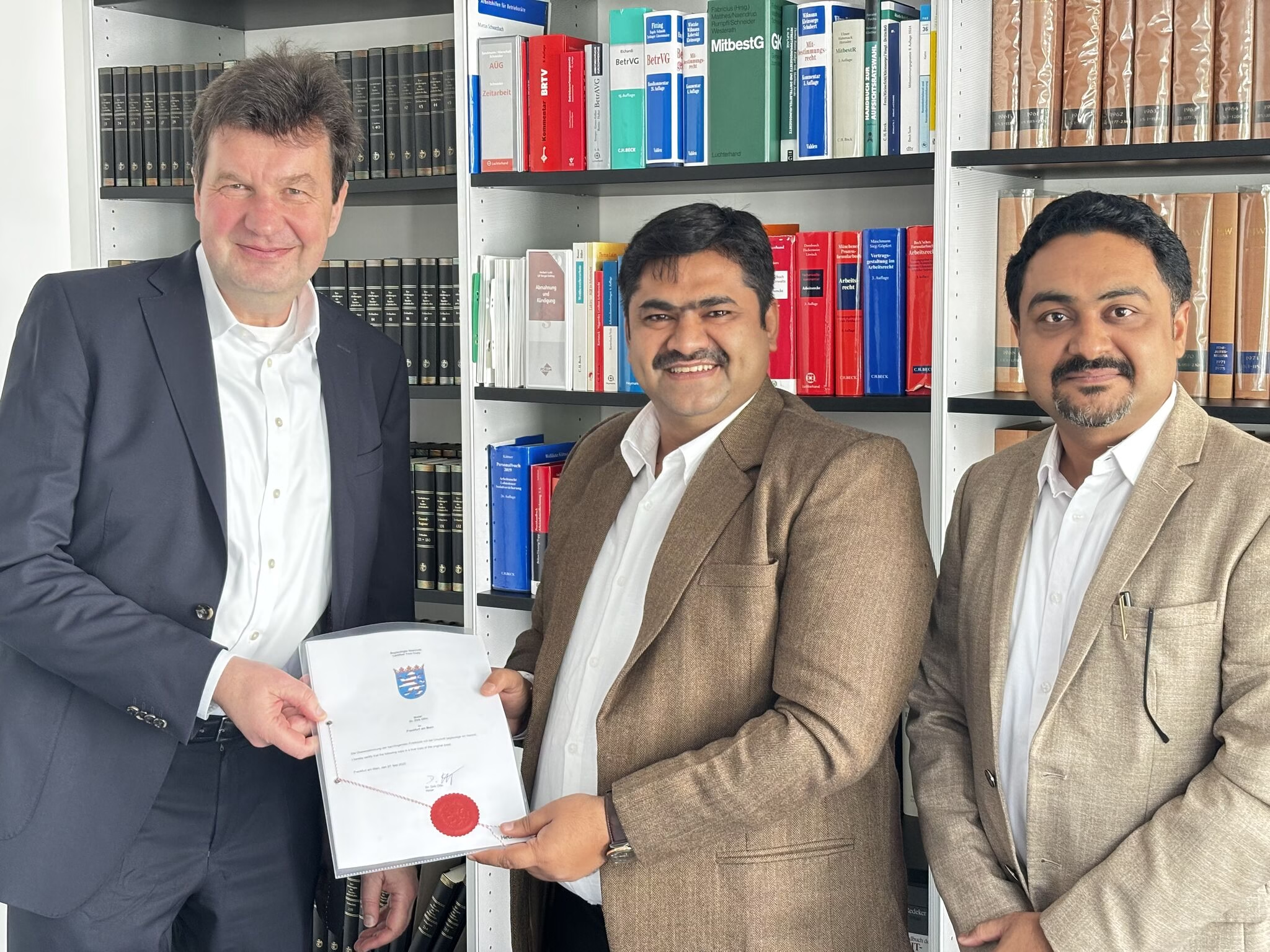
Recently, during a business delegation in Karlsruhe organised by IHK-Exportakademie GmbH Stuttgart, a group of Indian entrepreneurs explored practical strategies for entering and thriving in the German market. The visit not only offered actionable insights into market entry and business setup but also deepened Indo-German economic ties through meaningful collaboration and knowledge exchange.
Why Germany is an Attractive Market for Indian Entrepreneurs
Germany is Europe’s largest economy, offering:
- A strong manufacturing base and advanced engineering expertise
- Stable economic policies and a pro-business environment
- Access to a highly skilled workforce
- Strategic location within the EU for market reach
For Indian entrepreneurs, this translates into opportunities to scale, innovate, and integrate into one of the world’s most advanced industrial ecosystems.
Insights from the Indo-German Business Exchange
1. Practical Steps for Market Entry
The delegation discussions highlighted three critical steps for Indian businesses eyeing Germany:
- Understanding Regulatory Frameworks – Navigating German business laws, tax structures, and compliance requirements.
- Choosing the Right Business Structure – From GmbH (limited liability company) to branch offices, selecting the right setup impacts operations and tax benefits.
- Leveraging Local Expertise – Partnering with German consultants, legal advisors, and trade bodies like IHK can speed up the process.
Example: Many SMEs that entered Germany successfully invested in market research and local partnerships before launching their operations.
2. Collaboration with Local Industry Leaders
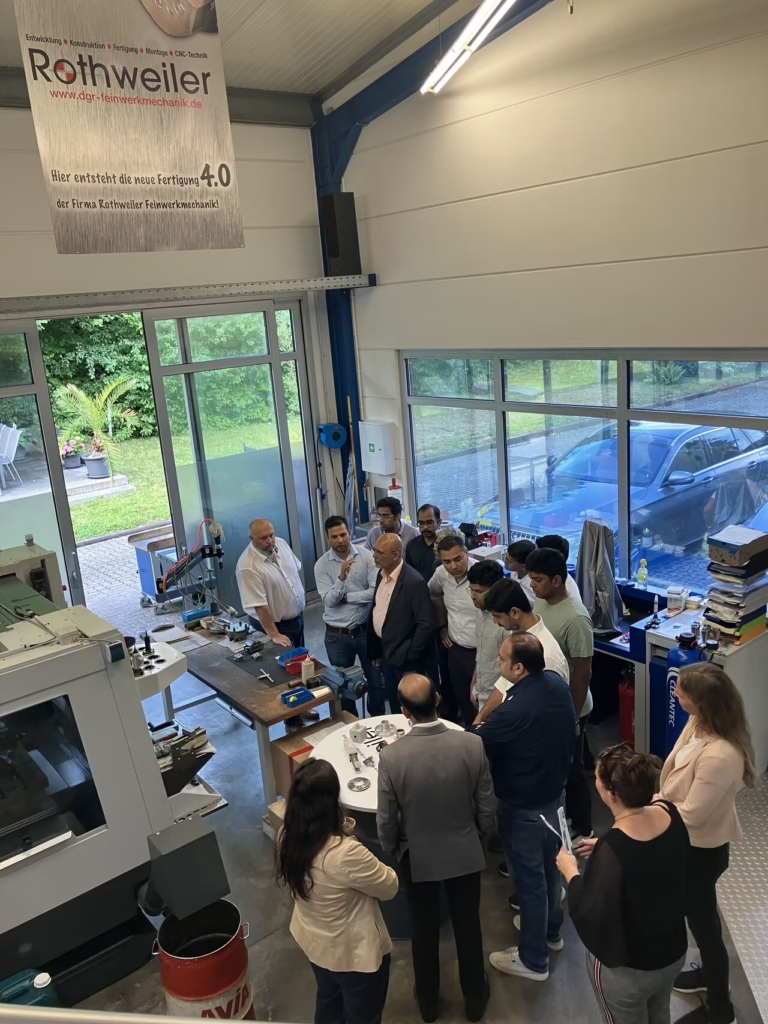
A key highlight of the trip was a visit to Dirk G. Rothweiler in Pfinztal. Entrepreneurs witnessed firsthand:
- Best practices in quality control and production
- Innovation in small-scale manufacturing
- Sustainability measures in the German SME sector
These learnings are critical for Indian businesses aiming to meet German quality expectations while adding their own innovative edge.
3. Building Strong Indo-German Business Ties
Trade missions like this create lasting networks that:
- Facilitate joint ventures and technology partnerships
- Encourage bilateral investments
- Open doors for knowledge sharing and talent exchange
Such exchanges go beyond business deals—they help build trust, cultural understanding, and long-term cooperation.
Common Misconceptions About Entering the German Market
“Germany is only for big corporations.”
False—SMEs make up over 99% of German companies (Statistisches Bundesamt), and many actively seek partnerships with agile, innovative firms from abroad.
“Language barriers will limit success.”
While German proficiency is valuable, many business professionals operate in English, especially in international trade.
“It’s too expensive to set up in Germany.”
Costs vary widely depending on location, business type, and partnerships. Proper planning can make entry cost-efficient.
Key Takeaways for Indian Entrepreneurs
- Do your homework—market research is non-negotiable.
- Network extensively—trade missions, industry fairs, and chambers of commerce can be your gateway.
- Adopt German standards—quality, sustainability, and reliability are cornerstones of success.
- Leverage bilateral platforms—organisations like IHK and Indo-German Chamber of Commerce offer invaluable resources.
Conclusion & Call to Action
Germany is not just an export destination—it’s a growth partner for Indian entrepreneurs seeking innovation, stability, and access to Europe. By learning from German SMEs, leveraging institutional support, and building strong networks, Indian businesses can unlock immense opportunities.
If you’re an entrepreneur planning to expand into Germany, now is the time to act. Connect with trade bodies, join upcoming delegations, and start building your Indo-German success story.
 English